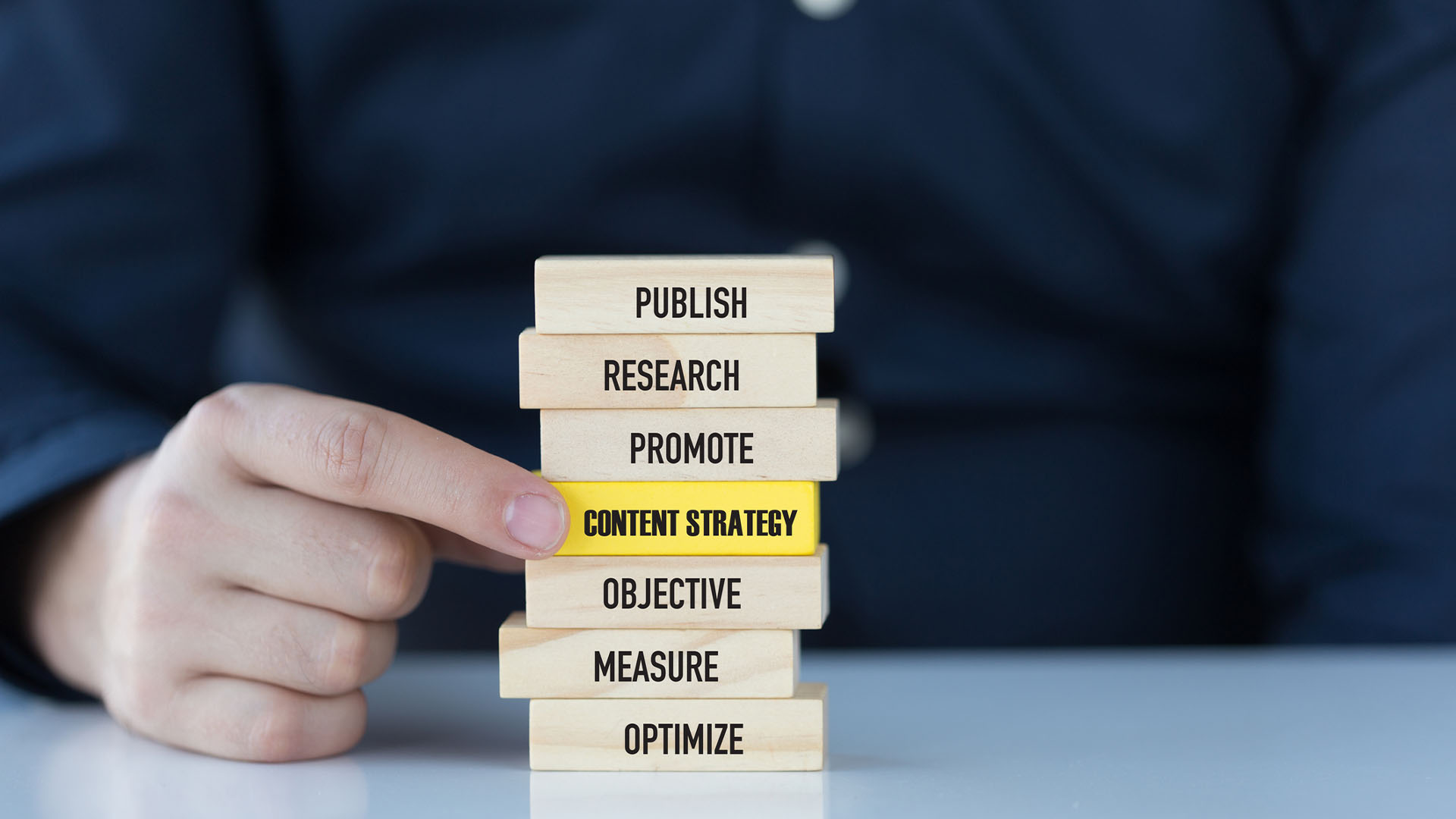
In today’s competitive digital world, brands can’t afford to operate without a well-defined content strategy & marketing plan. Within the first few seconds of someone landing on your website, your content must grab attention, communicate value, and guide them through the buyer’s journey.
A powerful content marketing strategy aligns your brand goals with your audience’s needs, ensuring that every piece of content-from blog posts to videos-is purposeful, impactful, and results-driven. Whether you are a startup or a scaling business, developing a solid content creation strategy is the key to long-term digital marketing success.
What Is Content Strategy & Marketing?
Content strategy is the process of planning, creating, distributing, and managing content that meets both business objectives and customer needs. Content marketing is the execution of that strategy through digital channels, with a focus on attracting, engaging, and converting your audience.
Together, content strategy & marketing work as a unified force to:
- Build brand authority
- Drive organic traffic through SEO
- Nurture leads with value-driven content
- Retain customers through consistent engagement
Why Your Business Needs a Content Marketing Strategy
Having no content strategy is like sailing without a map. If you are serious about digital content marketing, you must invest in a blueprint that aligns your content efforts with your sales funnel.
Here’s why you need a strong content marketing strategy:
- Consistency: Avoid random publishing by following a defined content calendar planning process.
- Alignment: Connect marketing with business goals, sales targets, and customer journey stages.
- Efficiency: Save time and resources with strategic planning.
- SEO Benefits: A well-planned SEO content strategy improves your organic visibility.
How to Build a Content Strategy for Digital Marketing
Creating an effective content strategy isn’t just about writing blog posts. It involves a series of thoughtful steps:
1. Define Goals and KPIs
Start by identifying:
- Business objectives (traffic, conversions, engagement)
- Key performance indicators (bounce rate, session time, CTR)
2. Know Your Audience
Use buyer personas to map out:
- Pain points
- Preferred channels
- Content preferences (e.g., blogs, videos, emails)
3. Conduct a Content Audit
Review your current content to:
- Identify gaps
- Improve outdated posts
- Repurpose high-performing content
4. Develop a Content Calendar
Creating a content calendar helps organize and schedule content consistently across platforms. Plan:
- Blog topics by week/month
- Social media themes
- Campaign-driven content
5. Choose the Right Content Types
Diversify your strategy with:
- Blogs and articles
- Case studies and whitepapers
- Infographics and videos
- Webinars and podcasts
6. Focus on Content Distribution
Don’t just publish-promote. Distribute your content across:
- Social media platforms
- Email newsletters
- Guest posts and forums
- Paid promotion (if necessary)
Content Strategy Examples for B2B Companies
Many B2B companies succeed with a mix of inbound and outbound strategies. Here’s what works:
- Thought Leadership: Publish long-form blogs and whitepapers that solve specific problems.
- Lead Magnets: Use downloadable guides or eBooks in exchange for emails.
- Email Nurturing: Build automated email sequences that deliver value over time.
- SEO Content Strategy: Target long-tail keywords that speak directly to business challenges.
Best Content Marketing Strategies for Small Businesses
If you are running a small business, you can still build a high-impact content marketing strategy with limited resources.
Here’s how:
- Use content planning tools like Trello, Notion, or Google Sheets
- Focus on one or two key content formats (e.g., blogs and social media)
- Leverage user-generated content and testimonials
- Repurpose content to extend its life (e.g., turn blogs into videos)
Measuring ROI of Content Marketing Campaigns
You can’t improve what you don’t measure. Here’s how to assess your content’s performance:
- Website traffic (organic vs. paid)
- Engagement metrics (time on page, bounce rate)
- Conversion rate (leads, form fills, purchases)
- Social shares & backlinks
- Customer retention & loyalty
Tools like Google Analytics, HubSpot, SEMrush, and Ahrefs can help track performance in detail.
Effective Content Distribution Methods for Higher Engagement
Content distribution is just as important as content creation. Use a mix of these methods:
- Owned Channels: Website, blog, and email
- Earned Media: SEO, guest posts, mentions
- Paid Distribution: Sponsored posts, influencer partnerships, PPC
- Social Media Amplification: LinkedIn for B2B, Instagram for visual products, Twitter for thought leadership
Conclusion: Drive Growth with Smart Content Strategy & Marketing
In 2025 and beyond, your ability to plan, create, and distribute content strategically will define your brand’s digital success. Whether you are a small business or a B2B enterprise, a well-executed content strategy & marketing plan can help you achieve brand visibility, customer trust, and sales growth.
At Ferweve, we specialize in helping businesses build data-driven, result-oriented content strategies tailored for every stage of the buyer’s journey.
FAQs
How do I start a content marketing strategy from scratch?
Start by defining your goals, understanding your audience, conducting a content audit, and creating a monthly content calendar. Then choose content types and distribution channels that match your audience.
How often should I publish new content?
Quality matters more than quantity. For most businesses, publishing 1-2 blogs a week and daily social media content is a solid start.
What is the best content format for digital marketing?
It depends on your audience. Blogs, videos, email newsletters, and infographics are popular formats. B2B audiences may prefer case studies and whitepapers.
How does SEO fit into content strategy?
An SEO-focused content strategy ensures that your content is optimized for search engines, bringing in long-term organic traffic and better visibility.
What tools help manage content strategy?
Tools like Notion, Trello, HubSpot, SEMrush, and Google Analytics are widely used for content planning, optimization, and performance tracking.