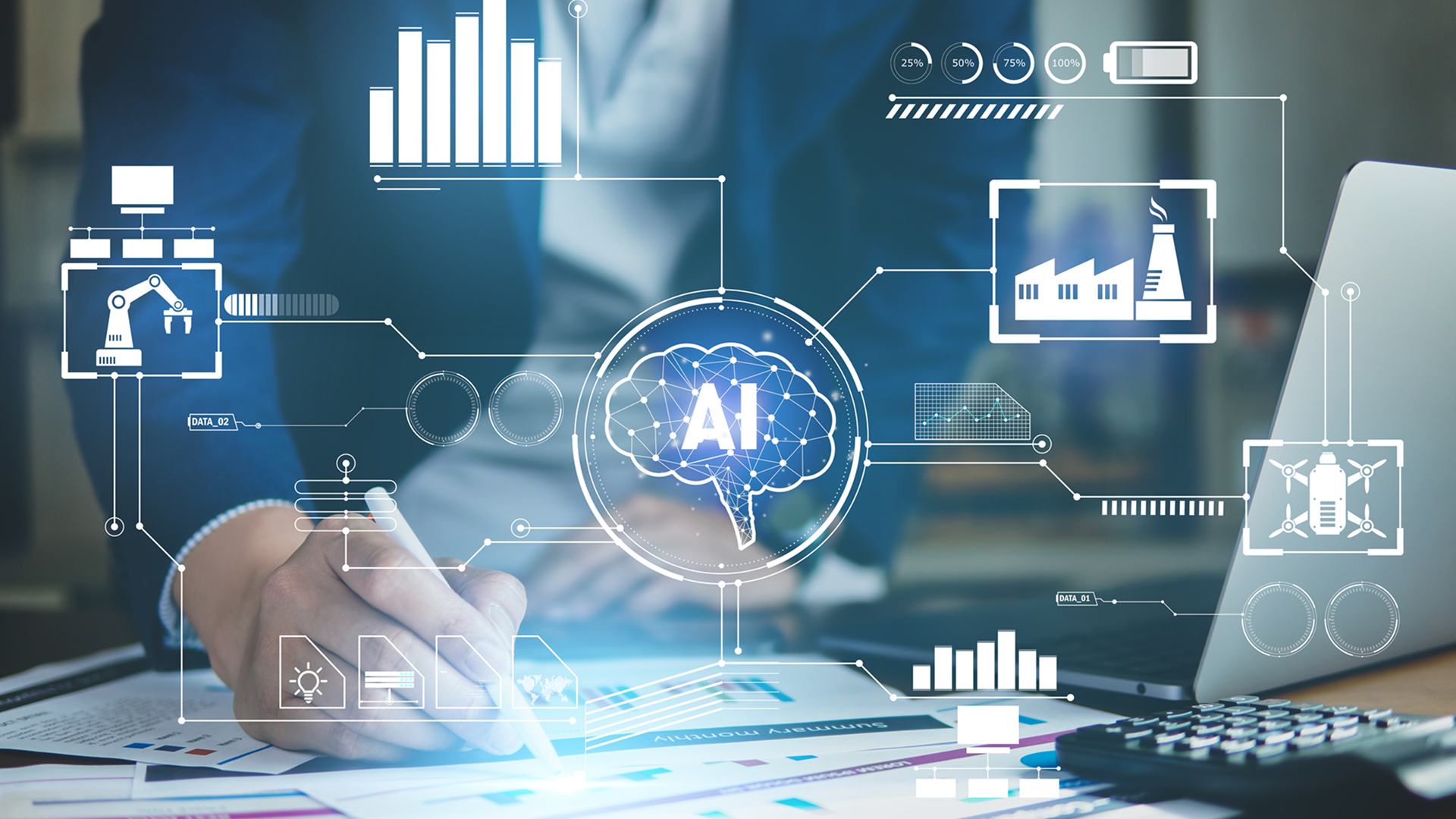
In a world driven by data, making timely, accurate, and strategic decisions is essential for business growth. That’s why more companies are turning to AI-Powered Analytics & Reporting, a cutting-edge solution that delivers real-time insights, automated reports, and predictive foresight using artificial intelligence.
Within the first few seconds of landing on this topic, it’s important to understand: AI analytics tools are no longer a luxury-they are a necessity for modern business success. From automated reporting with AI to predictive analytics, the integration of AI in data processes helps businesses extract AI-driven insights for marketing performance, financial planning, customer behavior, and more.
What Is AI-Powered Analytics & Reporting?
AI-powered analytics is the use of artificial intelligence and machine learning for data analysis to process, visualize, and generate insights from data automatically. Traditional analytics tools required human intervention at nearly every step – AI flips that by offering automation, speed, and accuracy.
AI-powered reporting automatically generates custom dashboards, summaries, and performance reports without manual data crunching. These platforms not only present numbers but also interpret trends and suggest actions, making your data truly actionable.
Why Businesses Need AI Analytics Tools Today
AI-powered analytics and reporting bring the power of automation and intelligence to your fingertips. Here’s why businesses of all sizes are embracing this transformation:
1. Real-Time Data, Real-Time Decisions
AI tools can instantly process large volumes of data from various sources and deliver real-time analytics using AI. This enables businesses to act immediately based on up-to-date insights.
2. Automation That Saves Time
Automated reporting with AI reduces manual effort by:
- Generating recurring reports automatically
- Customizing dashboards for teams or clients
- Sending alerts on performance dips or anomalies
3. Predictive Capabilities
Using predictive analytics with AI, companies can forecast customer behavior, market trends, and operational risks with high accuracy-giving them a head start over competitors.
4. Improved Accuracy and Reduced Human Error
AI models continuously learn from data and improve their output, resulting in more precise reporting than manual methods.
Top Features of AI-Powered Analytics Tools
Businesses investing in AI analytics tools can expect a broad range of benefits, including:
- Natural Language Processing (NLP): Enables tools to understand and explain data in simple language.
- Smart Dashboards: AI automatically generates dashboards customized to user behavior or business goals.
- Data Cleaning & Enrichment: AI automates data preparation, removing inconsistencies and enriching datasets.
- Cross-Platform Integration: Syncs with marketing, sales, CRM, finance, and operations tools for a unified view.
Use Cases Across Industries
AI-powered analytics is revolutionizing industries:
- Marketing Teams: Get AI-driven insights for marketing performance, conversion trends, and campaign optimization.
- Sales Departments: Use AI to forecast sales pipelines, improve lead scoring, and track buyer behavior.
- Operations: Monitor supply chain efficiency and detect anomalies with real-time AI-powered business reporting platforms.
- Finance: Automate expense tracking, revenue forecasting, and fraud detection.
Best AI Tools for Automated Analytics & Reporting
Here are some of the best AI-powered analytics tools for business:
- Google Looker Studio + BigQuery (AI-enhanced queries)
- Power BI with Copilot
- Tableau with Einstein Analytics (Salesforce)
- Zoho Analytics with AI Assistant (Zia)
- Sisense Fusion
- ThoughtSpot
These tools support AI-powered dashboards, customizable KPIs, and automated report generation with natural language summaries.
The Business Impact of AI-Driven Analytics
Using AI to generate automated reports and dashboards does more than just save time. It transforms how decisions are made and improves company-wide performance.
Key benefits include:
- Faster decision-making
- Better customer targeting
- Resource optimization
- Increased ROI
- Enhanced business intelligence
How to Get Started with AI-Powered Reporting
To integrate AI tools for automated data analysis and reporting, follow these steps:
- 1. Define clear business objectives
- 2. Choose the right AI analytics platform
- 3. Integrate with your existing tools (CRM, ERP, CMS, etc.)
- 4. Train teams to use AI dashboards and reports
- 5. Monitor and refine based on results
Conclusion: Turn Data into Gold with AI-Powered Analytics
The future of business intelligence lies in the hands of AI-powered analytics and reporting. These smart tools not only cut down on manual workload but elevate your business strategy through automated reporting, predictive insights, and real-time analytics.
At Ferweve, we help businesses leverage the power of AI tools to uncover deeper insights, streamline reporting, and make data-driven decisions faster than ever before.
Start your journey into AI-driven analytics today with Ferweve-because smarter data means smarter growth.
FAQs
What is the difference between AI-powered analytics and traditional analytics?
Traditional analytics requires manual data handling and interpretation. AI-powered analytics automates this process, offering real-time, predictive, and more accurate insights with minimal human input.
Can AI tools handle large-scale data across multiple departments?
Yes, modern AI analytics tools can handle vast datasets across marketing, sales, HR, finance, and operations seamlessly.
Are AI-powered dashboards customizable?
Absolutely. Most tools offer flexible, drag-and-drop dashboards that adjust to user preferences, KPIs, and business goals.
How secure is AI-based reporting?
Reputable tools comply with industry standards (like GDPR, HIPAA) and offer end-to-end encryption, role-based access, and audit logs.
Is AI-powered reporting suitable for small businesses?
Definitely. Many tools are scalable and offer starter plans that make AI-powered reporting accessible even to startups and SMEs.